The Best Eco Friendly Reusable Water Bottles
A reusable water bottle can replace hundreds of disposable containers, but the most sustainable choice is not automatically the bottle with the greenest label. Material, lifespan, repairability, cleaning habits, insulation, and shipping weight all affect its environmental footprint. A bottle that lasts for years and gets used daily is usually a better choice than a lightweight alternative that cracks or develops an odor within a few months.
The right design also depends on how and where you drink water. A commuter may value a leakproof insulated flask, while a runner may prefer a lightweight squeeze bottle. Families often need wide openings and simple cleaning, whereas office users may prioritize quiet lids, attractive finishes, and a slim shape that fits a laptop bag.
This guide compares sustainable water bottle materials, useful features, and practical designs. It focuses on long-term value rather than marketing claims, helping you choose a dependable hydration product that fits your routine and creates less waste.
Understanding Sustainable Bottle Materials
Stainless steel is often the strongest all-purpose option. It resists odors, does not shatter, and can remain usable for many years. Double-wall vacuum insulation keeps drinks cold or hot, although the extra steel makes these bottles heavier and more resource-intensive to manufacture. A durable stainless steel flask makes the most sense when you expect to use it frequently.
Glass offers a clean taste and does not retain flavors from coffee, sports drinks, or fruit infusions. Many glass bottles include a silicone sleeve that improves grip and contains fragments if the bottle breaks. They are easy to inspect and usually simple to recycle, but their weight and breakage risk make them less suitable for hiking, cycling, or crowded commutes.
Recycled plastic can be a practical lightweight choice, especially for children, travel, and high-volume exercise. Look for clearly stated recycled content and a sturdy construction rather than vague claims about being “green.” Plastic is more likely to scratch, stain, or absorb odors over time, so its sustainability depends heavily on whether the bottle stays in service instead of being quickly replaced.
Features That Make A Bottle Worth Keeping
Leak protection is one of the most important features. A bottle that spills inside a backpack can damage electronics, books, and clothing, making an otherwise good design frustrating to use. Screw-top lids generally offer dependable sealing, while flip-top and straw lids provide faster access but have more hinges, seals, and small parts that can eventually fail.
A wide mouth makes it easier to add ice, mix electrolyte powder, and clean the interior with a brush. Narrow-mouth bottles are often more comfortable for sipping while walking, but they can be harder to wash thoroughly. Removable gaskets are helpful because they allow trapped moisture and residue to be cleaned instead of becoming a source of unpleasant smells.
Insulation should match your habits. Vacuum-insulated stainless steel is useful for long workdays, road trips, and outdoor activities, but it adds weight and cost. Single-wall steel, glass, or plastic may be sufficient for short errands and indoor use. Choosing only the performance you need prevents unnecessary material and expense.
Comparing Bottle Styles And Tradeoffs
The best reusable hydration bottle balances durability, convenience, and realistic daily use. A heavy insulated model may have an excellent lifespan, yet remain in a cupboard if it is uncomfortable to carry. Similarly, a very light plastic bottle may be convenient but become wasteful if it needs frequent replacement.
When reviewing options, consider the same careful process used in broader household product testing. A useful testing approach looks beyond first impressions and examines usability, maintenance, construction quality, and performance over time. Those criteria are especially valuable for bottles because small design details often determine whether a product becomes a daily essential or an abandoned purchase.
| Bottle style |
Main strengths |
Main drawbacks |
Best suited to |
| Insulated stainless steel |
Excellent durability and temperature retention |
Heavier and usually more expensive |
Commuting, travel, outdoor use |
| Single-wall stainless steel |
Long service life with moderate weight |
Limited temperature control |
Daily office and school use |
| Glass with silicone sleeve |
Neutral taste and easy inspection |
Breakage risk and added weight |
Home, office, gentle travel |
| Recycled plastic |
Lightweight, affordable, and impact-resistant |
May retain odors or scratch |
Sports, children, travel |
| Collapsible silicone |
Packs down easily and saves space |
Less rigid and sometimes harder to clean |
Flights, hiking, emergency kits |
Cleaning, Safety, And Long-Term Care
A reusable bottle is only hygienic when it is cleaned consistently. Rinsing it once a day may not remove residue from flavored drinks, smoothies, or sweetened beverages. Wash the bottle, lid, straw, and seals with warm water and dish soap, then allow every part to dry fully before reassembly. Moisture trapped beneath a gasket can encourage mold growth.
Dishwasher compatibility is convenient, but it varies by material and component. High heat can damage printed finishes, plastic lids, silicone valves, and vacuum insulation seals. Always check the manufacturer’s care instructions, and avoid putting a vacuum-insulated metal bottle in the dishwasher unless it is specifically designed for that use.
Avoid storing carbonated drinks in containers whose lids are not built for pressure. Very hot liquids can also create pressure or burn hazards in narrow openings. For everyday safety, choose food-contact materials from a transparent manufacturer and replace damaged lids, cracked plastic, or deteriorated seals instead of trying to extend a compromised bottle indefinitely.
Finding The Right Design For Your Routine
For commuters and office workers, a slim insulated stainless steel bottle is often the strongest match. It should fit a vehicle cup holder or side pocket, seal securely, and open quietly in shared spaces. A powder-coated exterior can improve grip, although chipped finishes may eventually show wear.
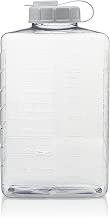
Active users may prefer a lighter bottle with a carry loop, quick-access cap, or soft squeeze design. Cyclists should check compatibility with standard bottle cages, while runners may benefit from a compact shape that can be held comfortably. A large one-liter container reduces refilling but can become inconvenient during movement.
Families should prioritize simple parts and easy cleaning over complicated filtration systems or elaborate straws. A wide opening, durable cap, and visible measurement markings can make hydration easier for children. Glass is usually best kept for controlled environments, while impact-resistant recycled plastic may be more practical for school bags and playground use.
For travel, capacity and empty weight matter. A collapsible bottle takes up little room once empty, but it may feel less stable when full. A sturdy metal bottle is better for repeated refills and rough handling, though it occupies more space throughout the journey. The most sustainable travel bottle is the one you will actually carry instead of replacing with disposable containers.
Practical Buying Priorities
Marketing language can make nearly any container sound environmentally responsible. Instead of choosing based on a leaf symbol or a broad sustainability claim, look for evidence about materials, replacement parts, manufacturing standards, and end-of-life options. A company that sells new lids and seals can help keep the main bottle in use for much longer.
Capacity should reflect your access to drinking water. A 500- to 750-milliliter bottle is portable for most daily routines, while larger sizes reduce refills during long outings. Bigger is not always better if the extra weight discourages regular use. The best size is the one that fits your bag, hand, cup holder, and schedule.
Use these priorities when narrowing down eco-conscious reusable bottles:
- Choose stainless steel for maximum durability and regular outdoor use.
- Select glass when pure taste and easy visual inspection matter most.
- Consider recycled plastic when low weight and impact resistance are essential.
- Prefer replaceable lids, seals, and straws over sealed designs with no serviceable parts.
- Pick a bottle that is easy to wash thoroughly, including around the cap and gasket.
A strong warranty is another sign that a manufacturer expects the product to last. Check whether it covers dents, leaks, coating damage, or only manufacturing defects. Read user reviews for recurring complaints about loose lids, difficult cleaning, peeling finishes, and inaccurate capacity claims. These details often reveal more about everyday performance than promotional photography.
The most responsible purchase is one that supports a lasting habit. Before buying, consider how often you refill water, whether you carry the bottle outdoors, and how willing you are to wash multiple components. A simple bottle used every day can have a lower practical impact than a technically advanced model that is uncomfortable, difficult to clean, or quickly forgotten.
Choose a reusable bottle based on the life you will give it, not just the material listed on the package. Compare weight, seal quality, cleaning access, replacement parts, and expected lifespan before making a purchase. Once you find a design that fits your routine, use it consistently, maintain it carefully, and keep it in service for as long as it remains safe.